
Why it is important to write and read about photography...
because they move us

We all love looking at pictures, right? Scrolling through Instagram, flipping through photo books, or even just gazing at that framed print on your wall – there’s a certain magic in that visual feast. But today, I want to chat about something a little different, something that might feel a bit less immediate, but is honestly just as important, if not more so: talking and writing about photography.
Now, I know what you might be thinking. “Why bother with all the words when the pictures speak for themselves?” And you’re not wrong! A great photograph can pack a punch all on its own. It can grab you, make you feel something, or tell you a story without a single syllable. But here’s the thing: our brains don’t just see; they also process, interpret, and connect. And that’s where the words come in, adding layers and depth to our visual experiences.
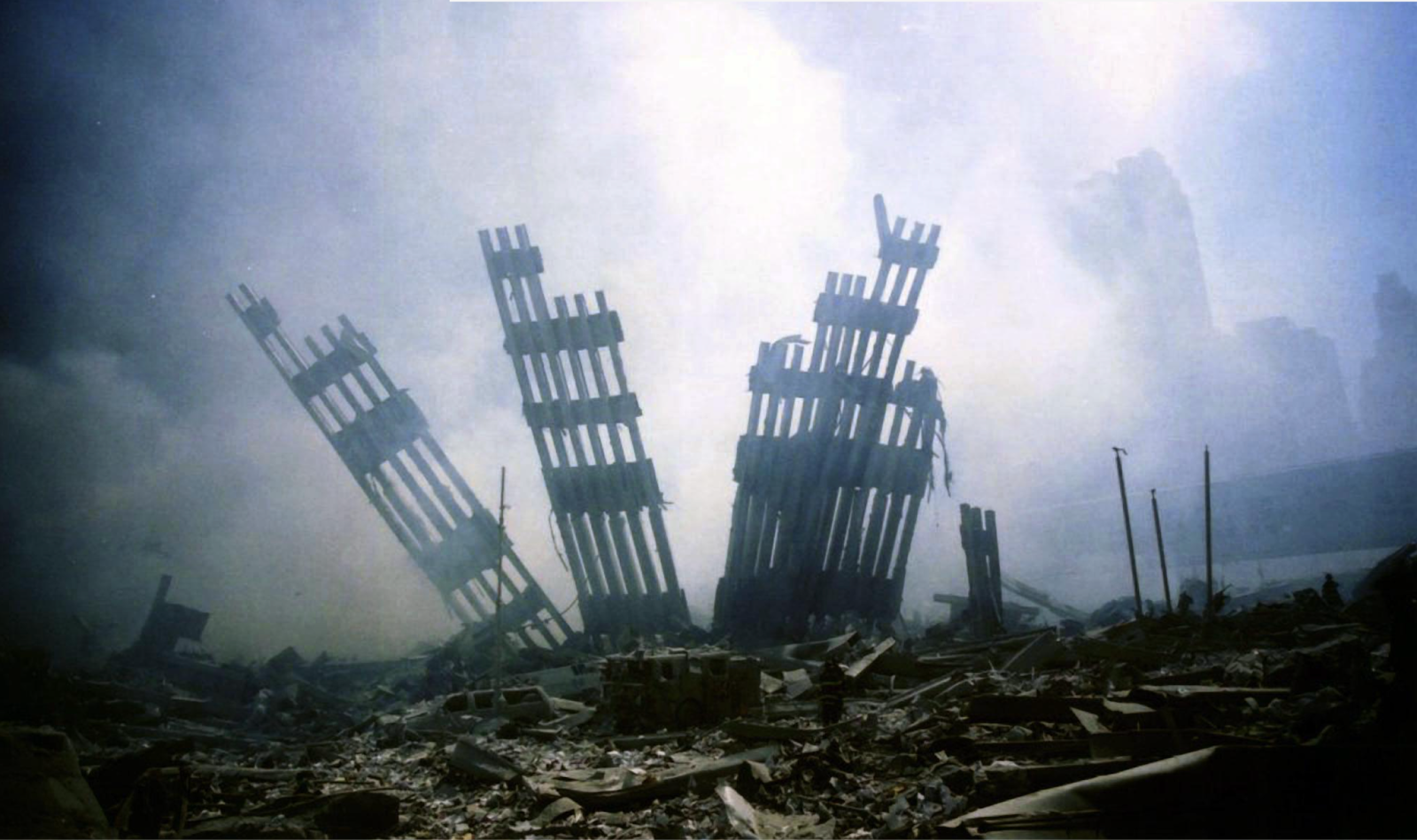
Think about it. When you see a photograph that really moves you, what’s your first instinct? To see the epitome of the collapse of the Twin Towers in New York on 911, what is it you think about, feel about, react to, act on? This photograph by Alexandre Fuchs of the Associated Press (don’t get me started on the historic importance of AP photographers as being witnesses to the world so valuable to us who are not!), is the one I immediately thought ought to show the monument to the disaster that would stand long after Ground Zero was rebuilt. People could have saved these panels, embedded them in concrete to make permanent the scar on our hearts. Embedded in this image is my need to never forget that day, to mourn the loss of 3,000 lives the three panels of the building portray, and conjure up in me the passion for remembrance that accompanies my citizenship. Yet, the organizers of the Ground Zero Memorial there did not use these panels for that purpose. My thought is that’s because they may be just too graphic a reminder of the devastation in the loss of life. It is, in the lingo of the 21st Century, “too downbeat.” Yet, my thinking and feeling go way beyond that, and I have only her photograph to remind me of thoughts and emotions so meaningful to me as a citizen.
I’m grateful to Alexandre for making this photograph as I am grateful to all AP photographers who, day in and day out, document the world for me. Often, having this photo in mind, it’s to find someone to share it with, to say, “Wow, look at this!” That desire to articulate what I’m seeing, to share the feeling it evoked, is the very beginning of talking about photography. It’s about building connections, not just with the image, but with other people who share the emotion through the image.
When we talk about a photo, we’re essentially engaging in a collaborative interpretation. Someone might point out a detail you missed, a subtle nuance in the lighting, or a historical context that completely changes how you see the image. It’s like unlocking hidden doors within the picture. You might say, “I love the way the light hits her face,” and someone else might chime in, “Yes, and it highlights the lines of her life, telling a story of resilience.” Suddenly, that single photograph becomes a richer, more multifaceted experience for everyone involved.
And writing about photography? It’s like taking that conversation and giving it permanence, giving it room to breathe and explore. When you write about a photo, you’re forced to be more precise, to really dig into why it resonates with you. You have to articulate the emotions, the technical choices the photographer made, the narrative you perceived. This process sharpens your own understanding. You might go into a photograph thinking you understand it, but the act of writing about it can uncover new insights you wouldn’t have found otherwise. It’s like dissecting a beautiful melody to understand the chords that make it so compelling.
For photographers themselves, talking and writing are absolutely crucial. It’s how they develop their artistic voice. Explaining their intentions, their creative process, and the meaning behind their work helps them refine their vision. It’s also how they connect with their audience on a deeper level, moving beyond just pretty pictures to a more meaningful dialogue. Think about artist statements or exhibition descriptions – they’re not there to explain away the art, but to guide the viewer, to offer a starting point for their own interpretation and appreciation.
Moreover, talking and writing about photography helps us develop critical thinking skills. We learn to analyze, to question, to evaluate. We move from simply admiring an image to understanding how it works and what it’s trying to communicate. This critical lens can then be applied to our own photographic pursuits, helping us make more deliberate and impactful choices.
So, next time you see a photograph that stops you in your tracks, don’t just double-tap and move on. Take a moment to think about it. What is it about this image that speaks to you? If you can, share it with a friend, tell them what you see, what you feel. And if you’re feeling adventurous, try writing down your thoughts. You might be surprised at how much more you discover, not just about the photograph, but about yourself and the world around you. Because ultimately, photography is more than just what we see; it’s what we understand, what we feel, and what we share – and that’s where the real stories begin.